
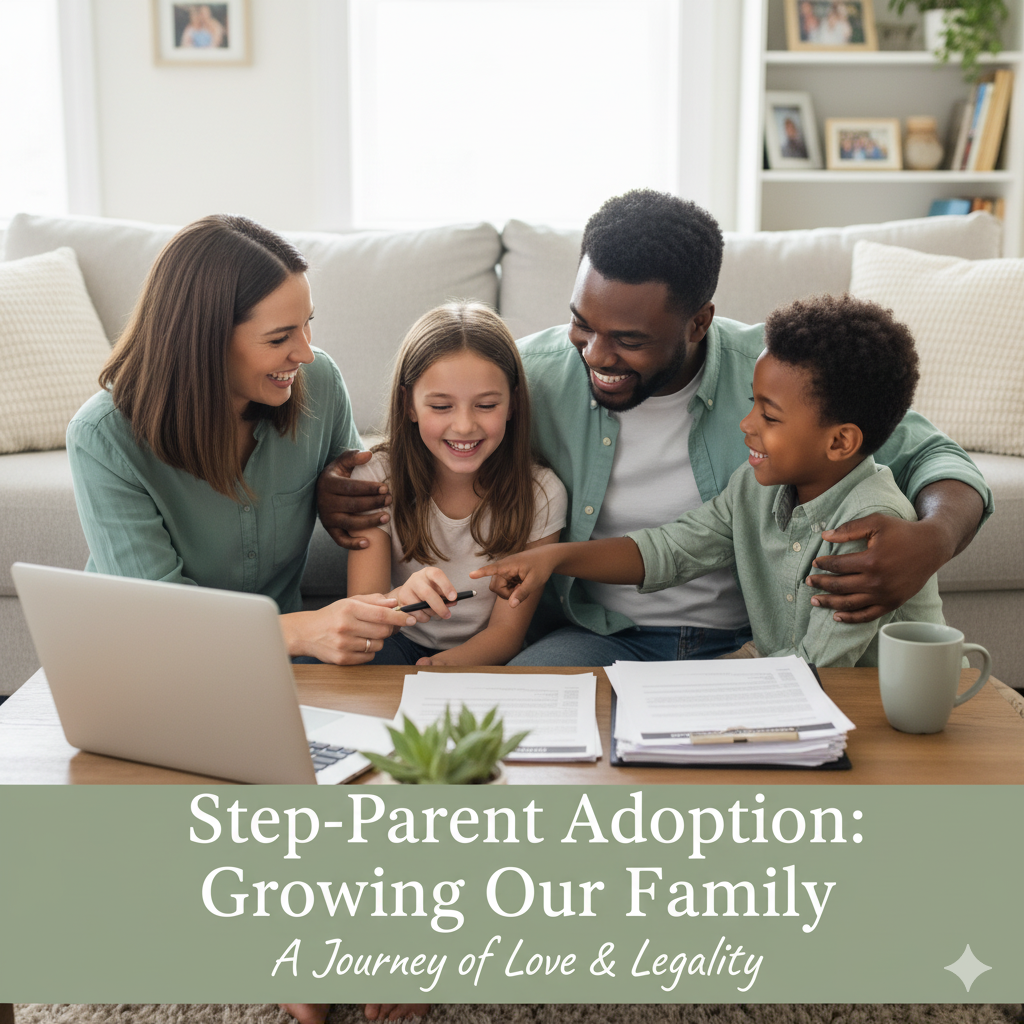
Stepparent Adoptions in Georgia: What You Need to Know
Adoption is a powerful way to build or strengthen a family. For many blended families in Georgia, stepparent adoption represents not just a legal process, but a meaningful affirmation of the bond between a stepparent and stepchild.
At Minerva Legal Group, we often assist clients with stepparent adoptions, guiding them through each step with clarity, compassion, and a focus on what’s best for the child. If you’re considering adopting your stepchild in Georgia, here’s what you need to know.
What Is a Stepparent Adoption?
A stepparent adoption is a legal process through which a stepparent becomes the child’s legal parent. Once finalized, the adopting stepparent has the same legal rights and responsibilities as a biological parent — and the non-custodial biological parent’s rights are permanently terminated.
When Is Stepparent Adoption Possible in Georgia?
In Georgia, a stepparent adoption is typically possible when:
- The stepparent is legally married to one of the child’s biological parents, and
- The other biological parent voluntarily relinquishes parental rights, or
- The court terminates the other parent’s rights due to abandonment, neglect, or failure to support the child.
Each case is unique, but the court’s primary concern is always the best interests of the child.
Voluntary vs. Involuntary Termination of Parental Rights
One of the most important — and often most challenging — parts of the stepparent adoption process is the termination of the other biological parent’s rights.
- Voluntary Termination: In many cases, the other parent agrees to relinquish their rights. This can happen for various reasons, including limited involvement or a desire to allow the stepparent to adopt.
- Involuntary Termination: If the parent refuses to give up their rights, but has shown a pattern of abandonment or failure to support the child financially or emotionally, the court may consider terminating their rights involuntarily.
Courts do not take parental rights lightly, and the burden of proof is high. Legal guidance is essential.
Do We Need a Home Study?
In Georgia, stepparent adoptions generally do not require a home study, which simplifies the process compared to other types of adoption. However, the court may request additional documentation to ensure the child’s welfare.
Consent Requirements
In Georgia, the following individuals may need to consent to the adoption:
- The biological parent whose rights will remain intact (your spouse)
- The biological parent whose rights are being terminated (unless rights are involuntarily terminated)
- The child, if they are 14 years or older
Benefits of Stepparent Adoption
A successful stepparent adoption has lasting legal and emotional benefits, including:
- The child receiving a new birth certificate listing the adoptive parent
- Full legal recognition of the parent-child relationship
- Eligibility for inheritance, insurance, and other legal protections
- Emotional stability and unity for the family
How Long Does the Process Take?
The length of the process varies based on the cooperation of the other biological parent and the complexity of the case. Some adoptions are finalized in just a few months, while others — especially those requiring involuntary termination — may take longer.
Do I Need a Lawyer for a Stepparent Adoption?
While some families attempt to navigate the process on their own, having a knowledgeable family law attorney is strongly recommended. An attorney ensures all legal requirements are met, represents you in court, and helps protect the best interests of your child throughout the process.
We’re Here to Help
At Minerva Legal Group, we understand that family comes in many forms — and we’re honored to help families grow stronger through stepparent adoption. Attorney Kimbley N. Puckett brings over 20 years of experience and a compassionate, strategic approach to every case.
If you’re considering stepparent adoption in Georgia, contact us today for a consultation. Let us help you take the next step toward solidifying your family’s future.
📞 Schedule a Consultation: (404) 474-7567
📧 Email: info@minervalegalga.com
🌐 Visit: www.minervalegalga.com

Understanding Adult Guardianship in Georgia: When Is It Truly Necessary
Adult guardianship is a legal process designed to protect individuals who are unable to make sound decisions for themselves due to physical or mental incapacitation. While it serves a crucial purpose in safeguarding vulnerable adults, it’s a step with profound implications, as it involves the legal removal of an individual’s rights. In Georgia, understanding when it is truly appropriate to petition the court for guardianship is paramount.
What is Adult Guardianship?
In simple terms, adult guardianship is a legal arrangement where a court appoints a guardian to make personal, medical, and/or financial decisions for an adult (the “ward”) who is deemed incapacitated. The guardian is legally obligated to act in the best interest of the ward.
When Is Guardianship Appropriate?
In Georgia, a guardianship is not granted lightly. The court’s primary goal is to ensure that the individual’s rights are protected and that the least restrictive alternative is chosen. A petition for guardianship is generally considered appropriate when an adult lacks the capacity to make or communicate significant responsible decisions concerning their person (e.g., healthcare, living arrangements).
Key indicators that might suggest the need for a guardianship include:
Significant Cognitive Impairment: This could be due to advanced dementia, severe mental illness, traumatic brain injury, or profound intellectual disability. The impairment must be such that the individual cannot understand the consequences of their decisions or communicate them effectively.
Inability to Provide for Basic Needs: The adult is unable to make safe decisions about their living situation, personal care, nutrition, or medical needs, putting their health or safety at risk.
No Less Restrictive Alternatives Exist: This is a critical point. The court will always look for less restrictive options first.
The Serious Impact: Taking Away Rights
It’s crucial to recognize that establishing an adult guardianship in Georgia effectively removes many, if not all, of an individual’s fundamental rights. When a guardian is appointed, the ward typically loses the right to:
- Make Medical Decisions: The guardian will decide on treatments, doctors, and care facilities.
- Determine Where They Live: The guardian can decide whether the ward lives at home, in an assisted living facility, or a nursing home.
- Vote (in some cases): Depending on the scope of the guardianship and specific court orders, the right to vote may also be impacted.
- Sue or Be Sued: The guardian acts on behalf of the ward in legal matters.
This loss of autonomy is why the court process is stringent. The individual whose guardianship is being sought has the right to legal representation and to be present at the hearing.
What Are “Less Restrictive Alternatives”?
Before petitioning for guardianship, it’s vital to explore alternatives that allow the adult to retain as much autonomy as possible. These might include:
- Power of Attorney (POA): A legal document where an adult (while still competent) designates someone to make financial and/or medical decisions on their behalf.
- Advance Directives for Healthcare: Documents like a Living Will or Healthcare Power of Attorney that state a person’s wishes regarding medical treatment if they become incapacitated.
Conclusion: A Last Resort
Adult guardianship in Georgia is a powerful legal tool intended as a last resort when an adult can no longer make safe and sound decisions for themselves, and all less restrictive alternatives have been exhausted or are unsuitable. It’s a solemn undertaking that significantly impacts an individual’s rights and autonomy. If you are considering petitioning for guardianship, or if you are concerned about an adult’s capacity, allow us to explore all avenues with you to make the best decision for you and your love ones.
📞 Schedule a Consultation: (404) 474-7567
📧 Email: info@minervalegalga.com
🌐 Visit: www.minervalegalga.com